Table of contents
The Quiet Week After the Storm
Black Friday / Cyber Monday is over. Your dashboards show beautiful spikes, your warehouse just survived a marathon, and your support inbox finally looks normal again.
Now comes the real question: how many of these new customers will ever buy from you again—without a huge discount?
For most Shopify brands, BFCM is the most expensive acquisition event of the year. You spend more on ads, offer deeper promotions and stretch your operations to the limit. If these customers never return, you paid a premium for a single, discounted order.
This article shows how to use the weeks after BFCM to build real loyalty. We’ll focus on simple, practical steps that work with a Shopify stack most brands already have. Think of it as a calm, intentional plan after the storm, not another frantic campaign.
Why Post-BFCM Retention Matters More Than the Weekend Itself
In the run-up to BFCM, everyone watches revenue. How many orders? What’s the AOV? Did we beat last year? It’s exciting and highly visible.
But when the dust settles, another picture appears. Between paid media costs, influencer fees, extra packaging, overtime and aggressive discounts, profit per order is often much lower than usual. For many brands, real profit shows up only when BFCM customers come back at full price.
There is also a strategic risk. If your store appears only as a place for one big, noisy sale each year, you train people to wait for discounts. You become a “sale brand”, not a trusted go-to brand in your category.
That’s why post-BFCM retention is not a nice-to-have. It is where you decide whether BFCM was:
A one-time revenue spike, or
The start of hundreds or thousands of new customer relationships.
In the rest of this article, we’ll treat BFCM buyers as the beginning of a journey. The goal is to move them from deal hunters to brand fans who come back because they like your products, story and experience—not just your discounts.
Know Your BFCM Buyers: Segment Before You Act
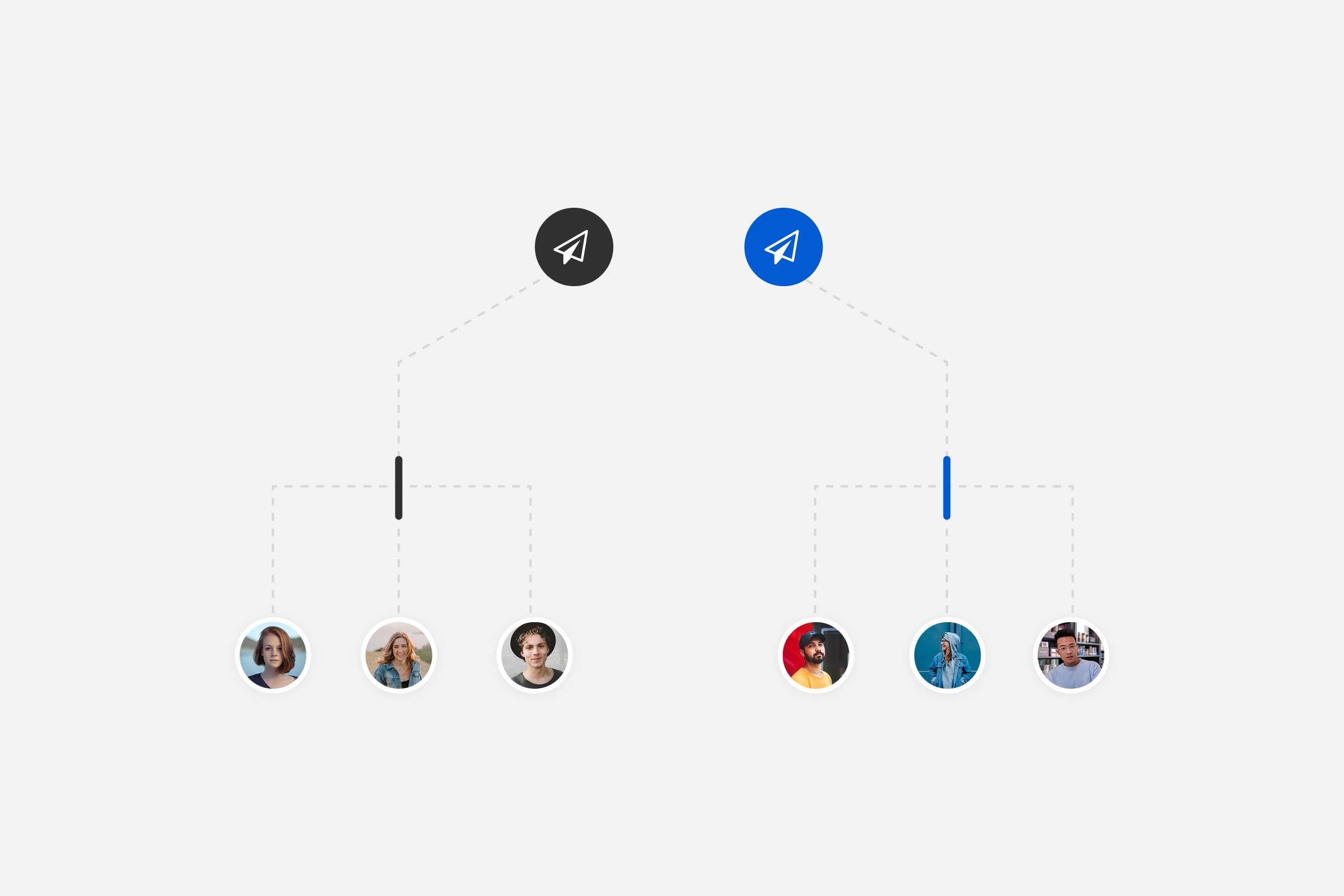
Before you send a single follow-up campaign, you need to understand who actually bought during BFCM. Not all customers are equal, and they should not receive the same messages.
Shopify gives you a strong starting point. Even with a relatively simple setup, you can identify basic patterns:
Were they first-time buyers or returning customers?
Did they buy one discounted item or a full basket of products?
Did they buy gifts or products clearly meant for themselves?
This analysis does not have to be complicated. You are looking for a small number of meaningful groups, not a perfect data model.
Mapping BFCM cohorts in Shopify
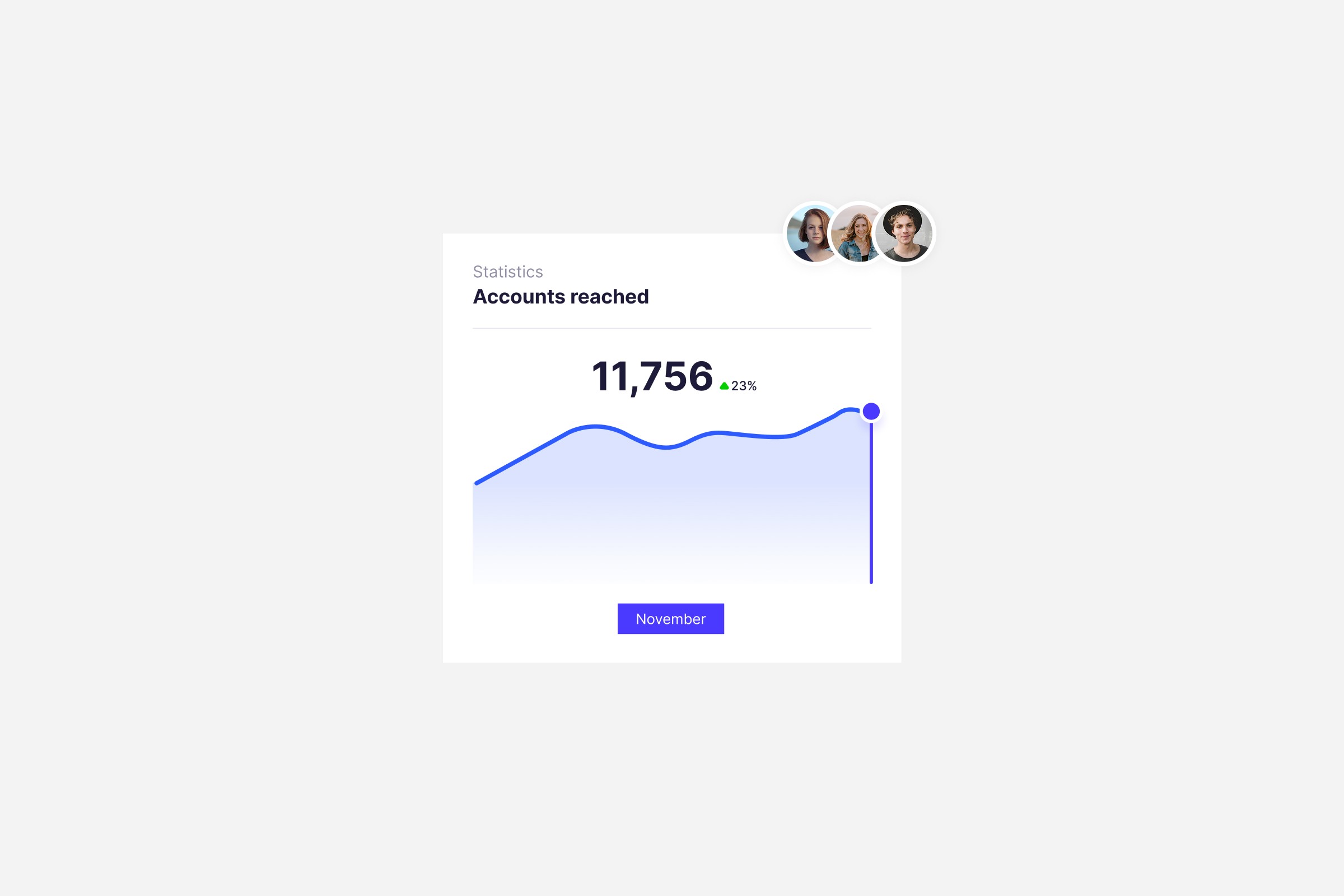
Start with two simple questions:
Who discovered us during BFCM?
Filter for first-time customers with their first order placed during the BFCM period. This group is critical. They probably came for the promo and do not know your brand yet.Who already knew us and just took advantage of the sale?
These are returning customers whose first order happened earlier in the year. They are less risky from a retention perspective, but BFCM may have changed how they buy (stocking up, gifting, trying new categories).
From there, add a bit more nuance:
High-AOV buyers who built bigger baskets or bought premium items.
Bargain hunters who chose only heavily discounted products.
Product-based cohorts, for example everyone who bought the new skincare line, your flagship coffee beans or your best-selling hoodie.
Even this light segmentation is enough to shape different messages and offers. A first-time buyer of a hero product needs a different experience from a loyal customer who bought gifts for family.
Practical ways to segment on Shopify
You can use Shopify segments and customer filters to build these groups without leaving the platform. Most email tools that connect to Shopify—such as Klaviyo, Omnisend or similar—allow you to sync these segments automatically.
When you do, try to name segments in a way your whole team understands. For example:
"BFCM 2025 – First-time, Hero Product"
"BFCM 2025 – Returning, Stock-up Buyers"
"BFCM 2025 – Gift Purchases"
Clear names make it easier to design relevant flows, report on performance and use what you learn next year.
The goal of this step is simple: don’t treat all BFCM customers as one mass list. Once you see the main groups, the rest of your retention work becomes more targeted and far more effective.
On-Site Experience: From Sale Mode Back to Brand Mode
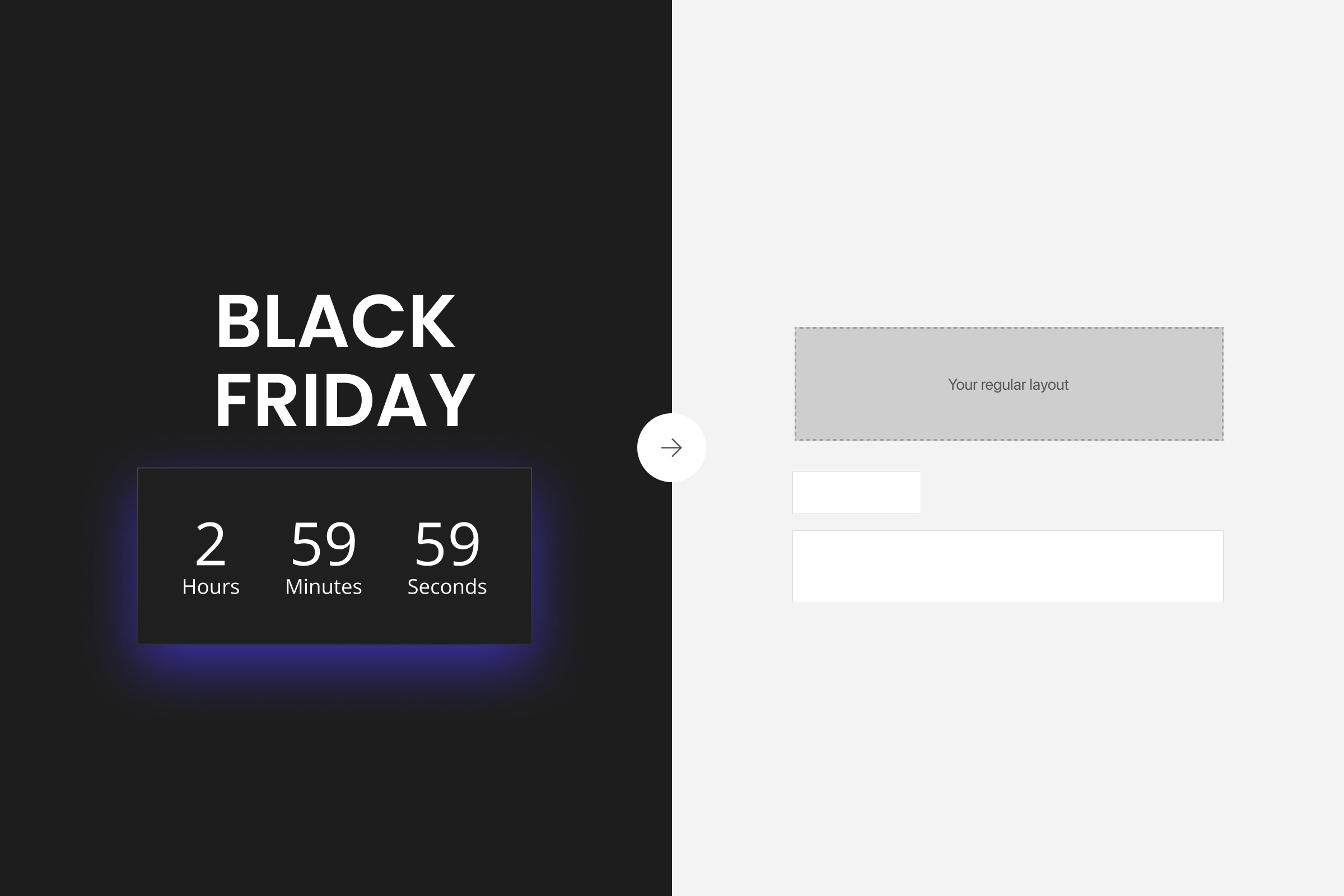
During BFCM, your store was probably full of urgency. Countdown timers, bold banners, high-contrast labels and aggressive pop-ups are common—and they can make sense for a short period.
After the sale, leaving everything in “Black Friday mode” sends the wrong signal. New customers will see a brand that looks desperate for attention, not confident about its value.
The first retention move is visual: bring your store back to brand mode.
Refreshing your Shopify storefront
Start with the most visible surfaces:
Replace BFCM banners with messaging that explains your core value: quality, design, sustainability, performance—whatever makes your brand worth full price.
Adjust the homepage layout. Move from “sale tiles everywhere” to curated sections that highlight your best products, stories and use cases.
Update collection pages so they feel clean and calm again. Remove heavy discount badges as the main visual language and make product photography and key benefits stand out.
On product pages, go beyond prices and features. Many BFCM customers landed here quickly, added to cart and checked out. Now is the time to make these pages pull more weight:
Show clear, concrete benefits in plain language.
Include real-life photos and reviews from customers.
Add simple how-to sections or tips on getting the most from the product.
When visitors return after BFCM and see a store that looks thoughtful and stable, it reinforces the feeling that they bought from a serious brand—not just a one-weekend discount machine.
Light personalization for BFCM cohorts
If your tech stack allows, you can go a bit further and adjust the experience for BFCM cohorts.
Examples include:
A subtle homepage banner that welcomes BFCM customers back and points them to helpful content.
A collection or landing page titled “Because you liked…” based on products popular during the sale.
Product recommendations that use their BFCM purchase as a starting point for cross‑sell ideas.
This does not have to be a complex personalization project. Even one or two small, visible touches can make returning customers feel recognised rather than dropped into a generic experience.
The key idea: once the sale is over, your store’s job is to communicate trust and long-term value. Visual calm and relevant content do more for retention than leaving an old "-40%" banner in your header for another month.
Offers That Build Loyalty Without Permanent Discount Mode
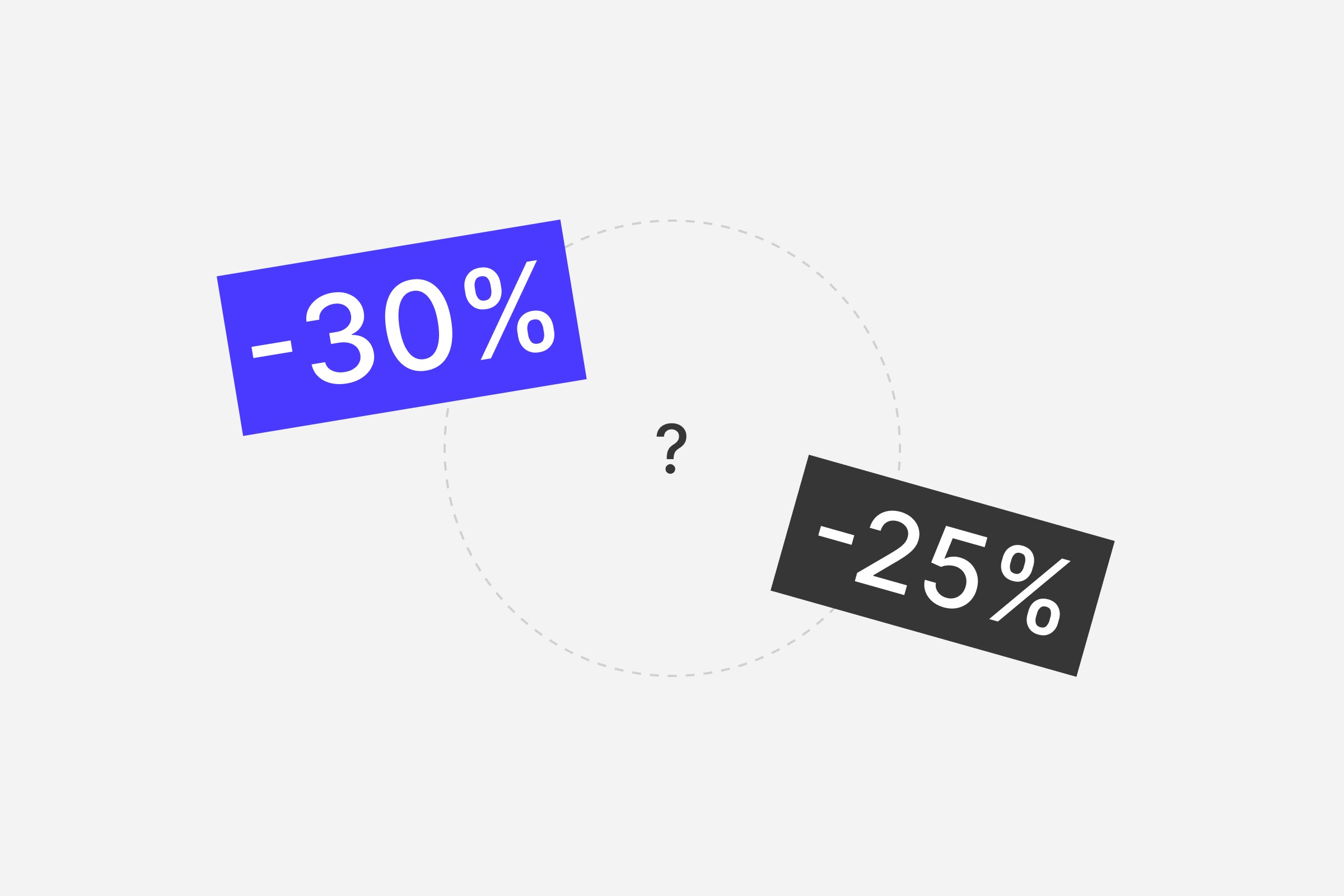
Discounts are easy to understand and quick to deploy, which is why brands lean on them heavily during BFCM. The problem is what happens afterwards. If you continue sending "-25%" and "-30%" offers to the same customers, they have little reason to ever pay full price.
To retain BFCM customers in a healthy way, you need offers that feel generous without teaching people to wait for the next code.
Shift from percentage off to value-based perks
Instead of repeating large percent discounts, think in terms of value-building perks. These can still feel rewarding while protecting your margins.
Examples:
A free or upgraded shipping threshold that encourages slightly higher baskets.
Gift-with-purchase offers that introduce customers to a new product line.
Smart bundles that make sense in real life (full skincare routines, coffee plus accessories, outfit sets) with a modest built-in saving.
These offers work especially well for BFCM cohorts who already own at least one of your products. You are not trying to convince them you are cheap; you are showing them that buying more from you makes sense.
When you communicate these perks, keep the tone clear and calm. Explain the why: "We created this bundle because most customers who tried X later added Y" or "We added a free travel-size version so you can take your routine on the road." Stories like these build trust and make offers feel thoughtful, not manipulative.
Loyalty programs and subscriptions on Shopify
For some categories, BFCM is the perfect time to introduce a loyalty program or subscription option.
If you sell products that people naturally repurchase—beauty, supplements, food, coffee, pet care—consider inviting BFCM customers into a simple, well-explained program:
A points-based system where every order earns something tangible, like money off future orders or access to limited items.
VIP tiers where BFCM customers can unlock benefits faster if they return within a certain timeframe.
Subscribe-and-save options that make sense for realistic usage cycles.
The important part is how you present these programs. Avoid complex rules and heavy terms. Show concrete examples:
"If you keep buying your monthly supply with us, by spring you’ll have enough points for a free product."
"Stay with your subscription for three months and get early access to our new blend before anyone else."
In your retention plan, these offers should feel like an organic extension of why people bought from you in the first place—not a trick to lock them in.
If you design offers this way, BFCM becomes the moment when someone discovered you, and the weeks afterwards become the period when they realize staying with you is simply the easiest, smartest choice.
Customer Experience: The Details That Make People Stay
Many brands think loyalty is driven mainly by discounts and campaigns. In reality, small operational details often decide whether a BFCM customer comes back or quietly disappears.
Think about their journey from the moment they placed an order during the sale to the moment they finished using the product. Every step is an opportunity to confirm that choosing your brand was the right decision.
From unboxing to support
BFCM orders often arrive during a busy time in people’s lives. They may be gifts, self-rewards, or practical purchases to get through winter. Whatever the reason, the experience between checkout and first use shapes their memory of your brand.
A few points to consider:
Unboxing: Even simple touches—a short card, a clean packing layout, a QR code leading to care instructions—can create a more premium feel.
Delivery communication: Clear and honest updates matter more than perfectly on-time shipping. If delays are possible, be proactive.
Support tone: During and after BFCM, support teams are under pressure. Short, human, solution-focused replies do more for loyalty than scripted messages.
When something goes wrong, your response becomes a story customers will retell. A fast replacement, flexible exchange or honest apology can turn a stressful moment into a reason to trust you more.
Asking for feedback and reviews at the right time
BFCM buyers can give you a lot of insight into your products, logistics and communication—but only if you ask at the right moment.
Avoid sending review requests immediately after delivery. Instead, allow enough time for them to use the product. The timing depends on what you sell: a skincare routine needs more time than a phone case.
When you ask for feedback:
Make it easy: a single link, a short form, or an in-email rating.
Be specific: ask what nearly stopped them from ordering, or what surprised them in a good way.
Close the loop internally: share patterns with your product, logistics and marketing teams.
Some of this feedback will directly improve your next BFCM campaign—better sizing charts, clearer shipping information, more accurate product photos. When customers see you acting on what they say, they feel heard and are more likely to return.
In short, your everyday operations during and after BFCM are a retention engine. Campaigns can attract attention, but trust is built in how you handle orders, questions and small problems.
Measuring Post-BFCM Retention on Shopify
A retention strategy is only as good as your ability to see whether it works. The good news: you don’t need a complex data warehouse to start. Shopify and your email tool can already tell you a lot.
Begin by treating BFCM buyers as a specific cohort. Mark the period in which they ordered and track how their behaviour changes over the next months.
Metrics that show if your plan is working
Focus on a small, clear set of indicators rather than a long list of numbers.
Useful metrics include:
Repeat purchase rate for the BFCM cohort: what percentage of those customers placed at least one more order in the following 90 or 180 days?
Time to second order: how many days on average between the first BFCM order and the next?
Average order value of follow-up orders: are subsequent purchases closer to full price or still heavily discounted?
Comparison with non-BFCM customers: do customers acquired during BFCM behave differently over time than those who discovered you in other months?
You can check these monthly in the first quarter after BFCM. The goal is to see trends, not to react to every small change.
Turning insights into next year’s BFCM strategy
The story does not end with this year’s cohort. What you learn now should directly shape your approach next year.
A few examples:
If your repeat purchase rate is low, maybe your discounts are attracting the wrong audience—or your post-purchase flows are too weak.
If time to second order is long, consider whether your offers and messaging match real usage cycles.
If returning BFCM customers buy mainly when you discount again, rethink your promotion structure and loyalty proposition.
By capturing these insights and sharing them across your team, you turn BFCM from a yearly “all-in” bet into a continuous learning loop. Each year, your retention engine should become slightly more effective and aligned with the customers you actually want to keep.
Checklist and Common Pitfalls
By this point, you might already have a list of ideas you want to test. To make things concrete, it helps to summarise the essentials and the traps to avoid.
Think of this as a quick sanity check you can run in the weeks after BFCM.
Post-BFCM retention essentials
As you review your Shopify store and marketing stack, ask yourself:
Have we clearly identified our main BFCM customer segments?
Does our store now look like our brand, not just a sale page?
Do BFCM customers receive tailored post-purchase communication rather than generic blasts?
Are we using offers that build value (bundles, perks, loyalty) instead of repeating deep discounts?
Is our support setup ready to handle returns, exchanges and questions in a way that builds trust?
Are we tracking repeat behaviour of BFCM customers as a distinct cohort?
If you can confidently answer “yes” to most of these, you are already ahead of many brands that stop planning as soon as the sale ends.
Pitfalls to avoid
There are a few recurring mistakes that quietly destroy post-BFCM retention:
Staying in permanent sale mode: Keeping banners, codes and heavy discount messages live for weeks after BFCM erodes your brand and margins.
Treating all BFCM buyers as a single list: Sending the same message to first-time and loyal customers wastes attention and reduces relevance.
Ignoring operational pain points: Slow shipping, confusing return policies and robotic support replies push people away, no matter how good your products are.
Avoiding these pitfalls is as important as implementing new tactics. Often, simply removing friction and noise from the experience does more for loyalty than another clever campaign.
BFCM as the Beginning of the Relationship
It is tempting to see BFCM as the peak of the year: the biggest campaigns, the loudest ads, the busiest warehouse. But for every new customer, that first discounted order is just the beginning.
If you treat BFCM as an entry gate into a well-designed, calm and trustworthy brand experience, each new order has the potential to turn into a long-term relationship. Over time, this is what separates healthy Shopify brands from those that constantly chase the next spike.
At Hyper Effekt, we design Shopify stores and customer journeys with this longer horizon in mind—from storefront UX to lifecycle flows and retention mechanics. If you’d like to turn next year’s BFCM into the start of stronger loyalty, not just another stressful weekend, we’d be happy to talk.
Written by
Chris Stola
Published in